The Complete Guide to Choosing Indoor vs Outdoor Blinds for Ballina Homes
Choosing the right blinds for your home can feel more complicated than expected, especially when you are deciding between indoor and outdoor options. Both serve different purposes, and in a coastal climate, those differences become even more important. From managing sunlight to protecting your home from weather exposure, the right choice depends on how you use each space.
For homeowners exploring blinds in Ballina, understanding how indoor and outdoor solutions compare can make the decision far more straightforward. Each option brings its own advantages, and in many cases, the best outcome comes from using both in the right way.
What Role Do Indoor Blinds Play Inside the Home
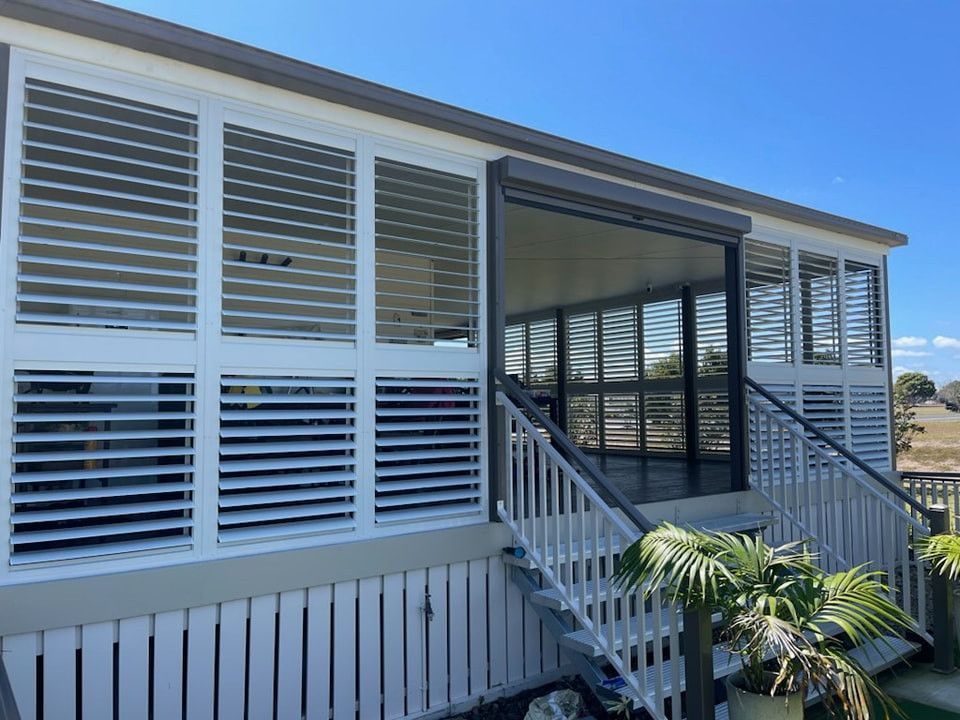
Indoor blinds are primarily designed to control light, privacy, and comfort within internal living spaces. They sit inside the home and are often chosen to complement interior design while improving day-to-day functionality.
Key benefits of indoor blinds include:
- controlling the amount of natural light entering each room
- providing privacy from neighbouring properties
- supporting insulation by reducing heat transfer through windows
- offering a range of styles to suit interior finishes
For homeowners considering indoor blinds in Ballina, these features are particularly useful in bedrooms, living areas, and home offices where comfort and privacy are priorities.
How Outdoor Blinds Protect Against Coastal Conditions
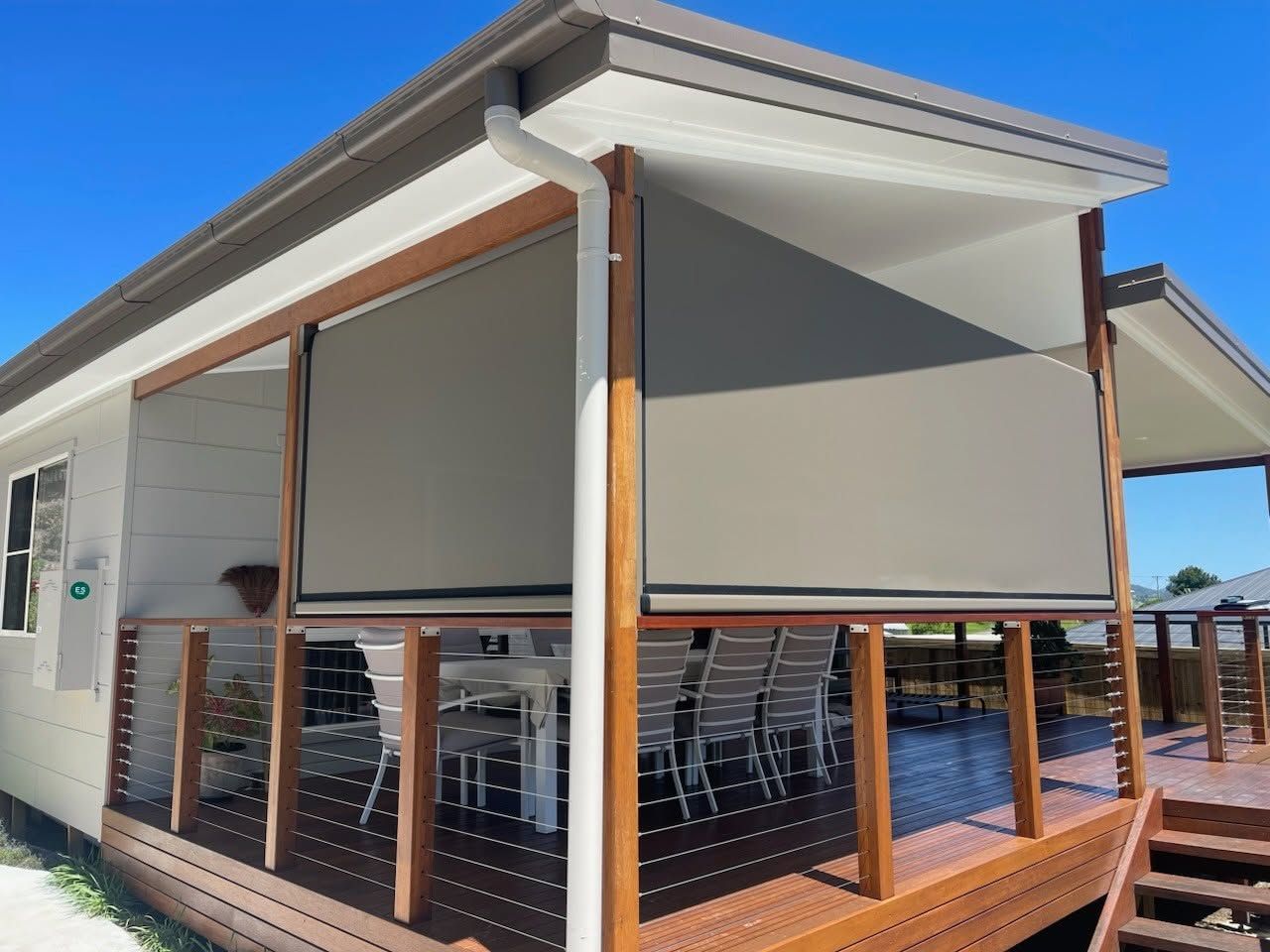
Outdoor blinds are installed externally and act as a barrier between your home and the surrounding environment. In coastal regions, they play an important role in managing wind, rain, and sun exposure.
Common advantages of outdoor blinds include:
- reducing heat before it reaches the glass
- protecting outdoor living areas from rain and wind
- minimising glare on windows and doors
- creating a more usable outdoor space year-round
When choosing outdoor blinds in Ballina, many homeowners focus on how well they handle changing weather conditions while maintaining visibility and airflow.
Which Option Is Better for Light Control
Light control is one of the main reasons people install blinds, but indoor and outdoor options approach it differently. Indoor blinds allow you to adjust light once it has entered the home, while outdoor blinds reduce light before it reaches the glass.
Indoor blinds are ideal for:
- adjusting brightness throughout the day
- creating darker environments for sleeping or media rooms
- softening natural light without blocking it completely
Outdoor blinds are better suited to:
- limiting harsh sunlight before it enters the home
- reducing glare on windows and outdoor areas
- improving comfort in exposed spaces
Combining both options can offer more flexibility in managing light across different areas of the home.
How Each Option Impacts Temperature and Insulation
Temperature control is another important factor, especially in coastal climates where heat and humidity can fluctuate. Indoor and outdoor blinds both contribute to insulation, but in different ways.
Indoor blinds help by:
- reducing heat transfer through glass surfaces
- trapping cooler air inside during warmer months
- adding an extra layer of insulation within the room
Outdoor blinds assist by:
- blocking heat before it reaches windows and doors
- reducing the overall temperature of outdoor areas
- limiting the impact of direct sun exposure on interiors
Using both solutions together can improve overall energy efficiency and make indoor spaces more comfortable throughout the year.
Privacy Needs Vary Between Indoor and Outdoor Spaces
Privacy requirements often differ depending on where the blinds are installed. Indoor blinds are typically used to control visibility from outside, while outdoor blinds can create enclosed or semi-private external areas.
Indoor blinds support privacy by:
- preventing visibility into bedrooms and living areas
- allowing adjustable coverage depending on time of day
- maintaining comfort without fully blocking light
Outdoor blinds provide privacy by:
- enclosing patios, balconies, or outdoor entertaining areas
- reducing visibility from neighbouring properties
- creating more defined outdoor living zones
For many homes, a combination of both helps address privacy across the entire property.
Durability Considerations in a Coastal Environment
Coastal environments can place additional stress on materials due to moisture, salt, and changing weather conditions. Choosing blinds that are suited to these factors is essential for long-term performance.
Important durability considerations include:
- selecting materials designed for humidity and exposure
- ensuring fittings and components resist corrosion
- choosing finishes that are easy to maintain
- considering how often the blinds will be used
Durability is often a deciding factor, especially for outdoor installations that are exposed to the elements.
Maintenance Requirements for Each Type of Blind
Maintenance needs can vary depending on whether the blinds are installed indoors or outdoors. Understanding what is required helps homeowners plan for long-term care.
Indoor blinds typically require:
- regular dusting or light cleaning
- occasional deep cleaning depending on material
- checking mechanisms for smooth operation
Outdoor blinds may need:
- more frequent cleaning due to exposure to weather
- inspection for wear or damage
- maintenance of fittings and moving parts
Keeping up with maintenance helps ensure both types of blinds continue to perform as expected.
When It Makes Sense to Install Both Indoor and Outdoor Blinds
In many cases, homeowners find that using both indoor and outdoor blinds provides the best overall result. Each type serves a different purpose, and together they create a more adaptable living environment.
Benefits of combining both include:
- improved control over light and temperature
- enhanced privacy across indoor and outdoor areas
- greater flexibility in how spaces are used
- a more balanced approach to comfort and protection
This combined approach often delivers the most practical solution, particularly in homes with strong indoor-outdoor connections.
How to Decide Which Blinds to Prioritise First
If budget or timing means you need to choose one option first, it helps to consider how you use your space most often. This can guide whether indoor or outdoor blinds should take priority.
You may choose indoor blinds first if:
- privacy inside the home is your main concern
- you want to improve comfort in bedrooms or living areas
- internal light control is a priority
Outdoor blinds may be the better first step if:
- you use outdoor areas frequently
- weather protection is a key concern
- you want to reduce heat before it enters the home
Understanding your priorities can help you stage the installation in a way that suits your lifestyle.
Extra Considerations for Coastal Living
Homes in coastal environments face unique conditions that influence how blinds perform over time. Salt air, strong sunlight, and seasonal weather patterns can all affect materials differently, especially if they are not designed for those conditions.
Additional factors to consider include:
- selecting materials that resist fading from prolonged sun exposure
- ensuring outdoor fittings are suited to coastal environments
- considering airflow when installing external blinds
- choosing options that balance protection with visibility
Taking these extra considerations into account helps ensure your blinds continue to perform well and maintain their appearance in coastal conditions.
Get the Right Blinds Solution for Your Ballina Home
Choosing between indoor and outdoor blinds does not have to be overwhelming when you understand how each option works. At Dennys Upholstery & Outdoor Blinds, we help homeowners find the right balance between style, comfort, and durability with blinds in Ballina. We understand the coastal conditions in Ballina and provide solutions that suit both indoor and outdoor spaces. Contact our team today to discuss your project and find the right blinds for your home.