Energy-Efficient Blinds And Shutters: How To Cut Heating And Cooling Costs In Ballina Homes
If a west-facing room in your home turns unbearable by mid-afternoon, or your bedroom never quite cools down on a summer night, the window furnishings you've got are probably part of the problem. The quickest thermal win comes from stopping sun before it reaches the glass, not from anything you add to the inside of the window afterwards — which changes how you should think about blinds and shutters depending on which direction each window faces. If you're looking for energy efficient blinds Ballina homeowners rely on, this blog will step you through the right choice.
The Quick Answer: Which Window Furnishings Actually Cut Heating And Cooling Costs?
For most Ballina homes, the best approach is a mix, not a single product. Exterior shading — outdoor blinds or aluminium shutters — does the heavy lifting on windows that cop direct afternoon sun, since it blocks heat before it ever hits the glass. A well-fitted internal blockout roller blind is genuinely the smarter, cheaper choice for east and south-facing windows, where heat load is lower and a good internal fabric does the job just fine. Getting this split right, window by window, is where the real savings sit.
Do Blinds Really Keep Heat Out?
Yes, but not all blinds do it equally, and where they're mounted matters as much as what they're made of. An internal blind reduces glare and blocks visible light reasonably well, but by the time sunlight has already passed through the glass, a meaningful amount of heat has already entered the room — the glass itself has done its damage before the blind gets a chance to help. This is the honest limitation of internal-only solutions on hot, sun-exposed windows.
A blockout fabric fitted close to the glass, with minimal edge gaps, still makes a real difference by reducing radiant heat bouncing back into the room and cutting glare that makes rooms feel hotter than they are. It's a genuinely worthwhile upgrade — it's just not the whole answer for every window in the house.
Blinds Or Shutters: Which Insulates Better?
Indoor shutters generally offer stronger insulation than a standard internal blind, thanks to their solid slat construction and adjustable louvres, which let you fine-tune light and airflow through the day rather than choosing between fully open or fully closed. That adjustability is a genuine advantage on rooms where the sun angle shifts significantly from morning to afternoon.
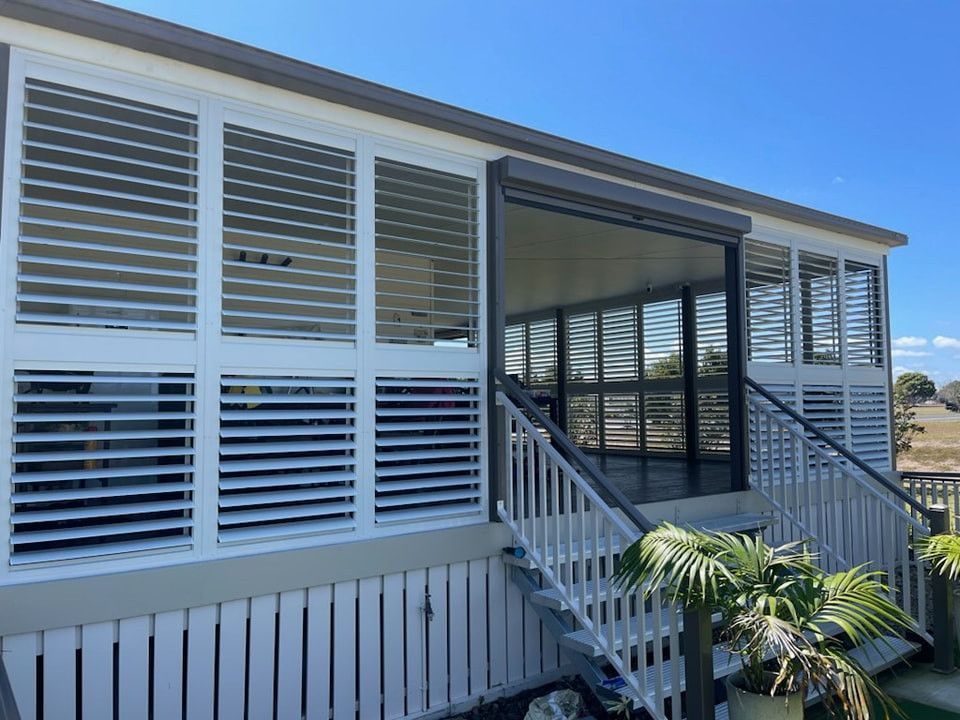
Where shutters are fitted outdoors — aluminium shutters with fixed or adjustable louvres — the insulation benefit compounds, since the shading happens before sunlight ever reaches the glass at all. If you're weighing up which category suits your home, our guide to
choosing indoor vs outdoor blinds for Ballina homes compares the two categories side by side in more depth.
Which Blinds Are Best For West-facing Windows?
West and north-west facing glass is where the biggest thermal gains are made, and it's also where internal blinds alone tend to fall short. Low, harsh afternoon sun pours directly through west-facing windows for hours at a time, and by the time it's hit an internal blind, most of the heat gain has already happened.
This is exactly where outdoor blinds and aluminium shutters earn their cost. Stopping that sun before it reaches the glass, rather than trying to manage it once it's inside, is the difference between a room that's usable at 3pm in summer and one that isn't. East and south-facing windows, by contrast, generally see far less direct heat load, which is where a good internal blockout roller blind remains the more cost-effective choice.
Do Outdoor Blinds Reduce Air Conditioning Costs?
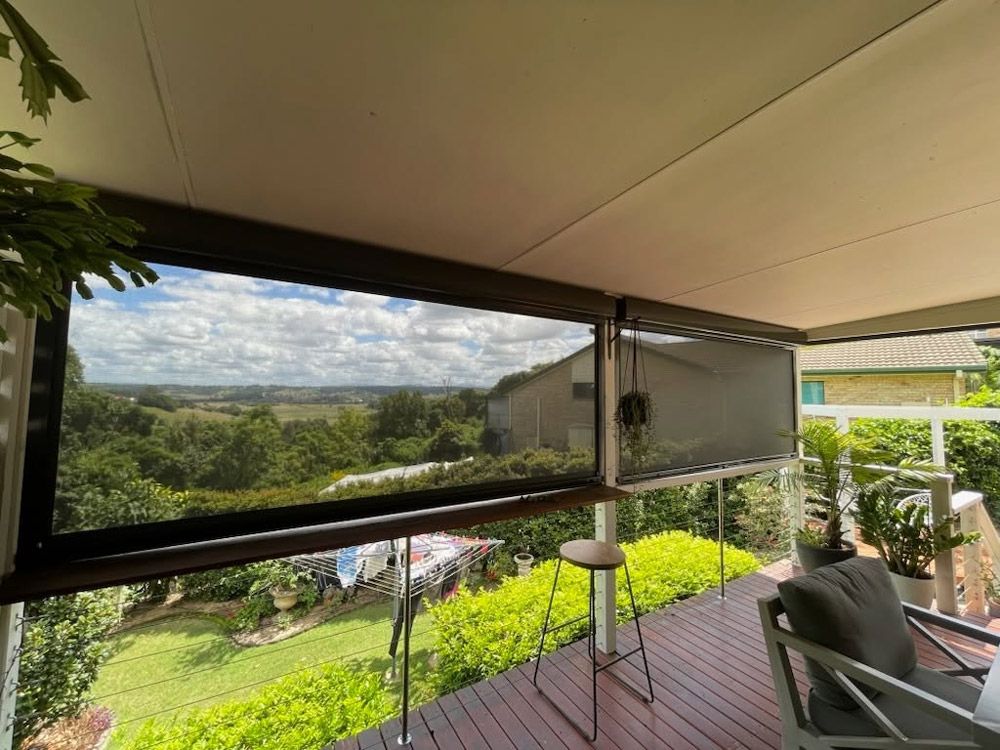
Reducing how much heat gets into a room in the first place naturally reduces how hard your air conditioner has to work to cool it back down. Ziptrak side-tracked outdoor blinds are a popular option here, sealing off an opening against both weather and direct sun, with mesh fabric suited to airflow-focused patios and PVC suited to areas that need fuller weather protection alongside shading.
Stopping sun before it hits the glass also protects your family and furnishings, as we cover in our article on
outdoor blinds and UV protection. For alfresco areas and west-facing living spaces, an outdoor blind can make the difference between a space you avoid in summer and one you actually use.
Why Custom Measuring Decides Insulation Performance
Even the right product, poorly fitted, won't deliver the thermal performance you're after. Gaps around the edges of a blind or shutter are where insulation performance is lost — air moves freely through a poorly sized fitting no matter how good the fabric or slat material is. This is why every opening needs to be measured individually rather than fitted with an off-the-shelf size.
Local conditions matter too. Northern Rivers salt air and humidity mean hardware choice affects long-term performance as much as fit does — powder-coated aluminium components and marine-grade PVC hold up far better here than standard fittings, particularly on outdoor installations exposed to coastal weather year-round. Adjustable louvres on our
indoor shutters let you dial in shade and airflow as the afternoon sun moves around the house, which is exactly the kind of detail a proper measure-and-fit process accounts for.
Getting The Right Mix For Your Home
There's no single product that solves every window in a home. When it comes to energy efficient blinds in Ballina, the right approach is usually a mix — exterior shading on the windows that take the worst of the afternoon sun, and well-chosen internal options where the heat load is genuinely lower. Since the right combination depends entirely on your home's orientation and which rooms run hottest, a free measure and quote is the most useful next step, so we can look at your specific windows and recommend what will actually make a difference to your comfort and running costs.
FAQs
Do blinds keep heat out of a room in summer?
Internal blinds help reduce glare and some radiant heat, but by the time sunlight passes through the glass, a fair amount of heat has already entered the room. Exterior shading, like outdoor blinds or aluminium shutters, is more effective on hot, sun-exposed windows because it blocks the sun before it reaches the glass at all.
Are shutters more energy-efficient than blinds?
Indoor shutters generally offer stronger insulation than standard internal blinds due to their solid construction and adjustable louvres. Outdoor aluminium shutters go a step further by shading windows before sunlight reaches the glass.
What's the best window furnishing for a west-facing window?
West-facing windows generally benefit most from exterior shading, such as outdoor blinds or aluminium shutters, since they block direct, low-angle afternoon sun before it enters the room. East and south-facing windows typically see less heat load and can perform well with a good internal blockout blind alone.
Do outdoor blinds actually reduce air conditioning running costs?
Reducing the amount of heat entering a room reduces how hard an air conditioner needs to work to cool it. Outdoor blinds that block sun before it hits the glass, particularly on west-facing or alfresco areas, can meaningfully ease that cooling load.
Does the fit of a blind or shutter affect its insulation performance?
Yes, significantly. Gaps around the edges of a blind or shutter let air move freely regardless of how good the material is, which is why custom measuring for each individual opening matters as much as the product choice itself.